Why Do Dogs Lick Their Nose? 10 Vet-Reviewed Reasons


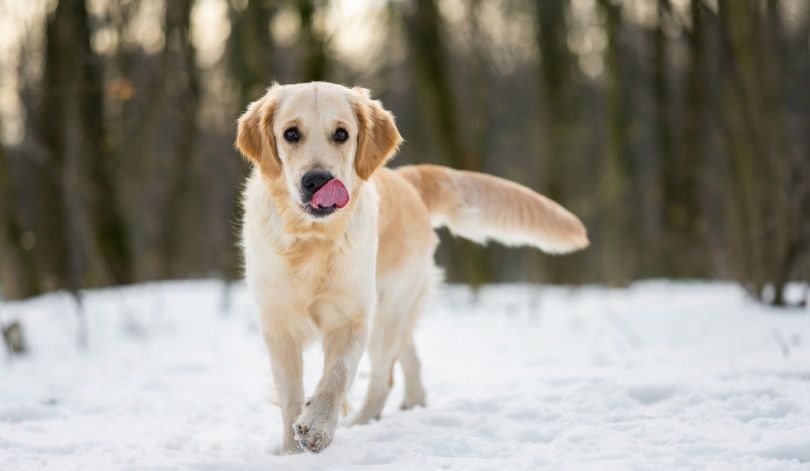
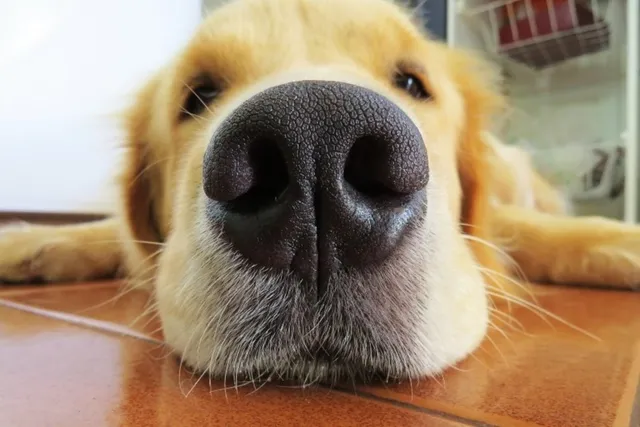
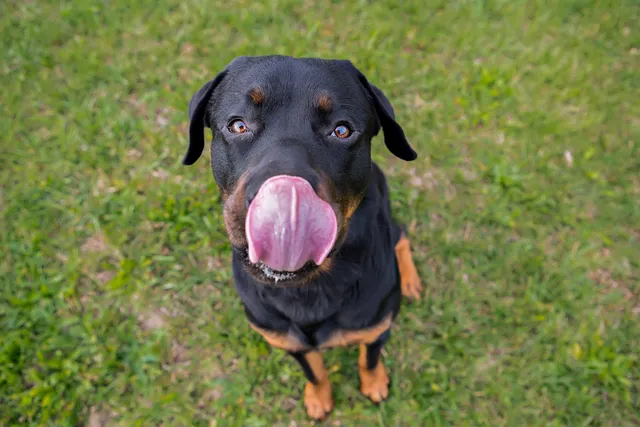
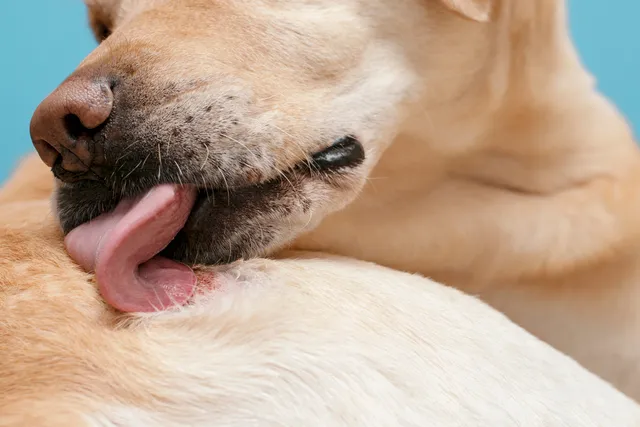
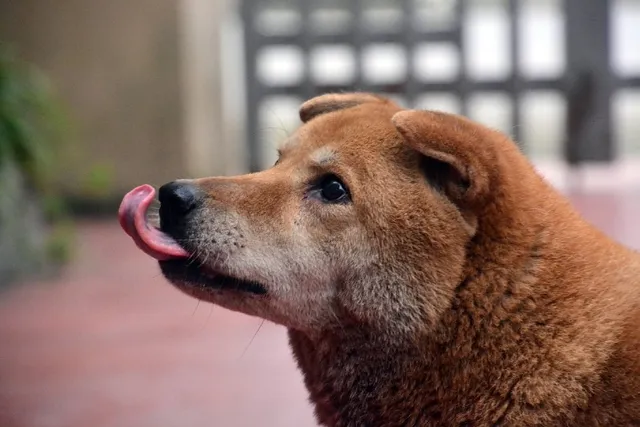
The nose is a vital part of your dog’s anatomy, allowing them to experience their environment and communicate. Licking their nose is one of the dogs’ natural behaviors. For instance, dogs often lick their noses to hone their smell senses or to clean them after eating. However, persistent nose licking may be a sign of discomfort and your dog may have a health issue. It is up to you to observe their actions and interpret what they are trying to say.
Nose licking can either be subtle and considered normal, or excessive, generally pointing to an underlying issue. Benign causes are likely to be normal behavior, but more serious causes may be health problems that need veterinary attention. It is, therefore, essential to understand the course of this behavior and act accordingly. Here are some of the possible reasons why dogs lick their noses.

The 10 Possible Reasons Dogs Lick Their Nose
1. It’s Normal Dog Behavior
For the most part, dogs lick their noses in order to keep them clean or assist in picking up scent. This occurs often after they have eaten or drank, so they can remove excess food or water remaining on their nose. Licking the nose may also help them trap and interpret scents better, by trapping the molecules from the nose and getting them to their vomeronasal organ located at the roof of the mouth. This is also important for communication with other canines through pheromones.
Besides the normal and most common reasons a dog may be observed licking their nose, there could be other explanations, especially if the behavior is becoming more frequent or excessive.
2. Anxiety

When your dog is confused, anxious, or doesn’t understand what is going on, they may lick their nose. You need to pay great attention to various situations to know the cause of anxiety and see if the nose licking is actually associated with this.
For example, your dog may be frightened by the storm, get anxious, and start licking their nose. Your dog may also become overwhelmed when in new environments or when surrounded by new people.
3. Upper Respiratory Infections
Upper respiratory infections, which can be viral, bacterial, or fungal in origin, may lead to the presence of varying amounts of nasal discharge. This will in turn cause dogs to lick their noses more frequently, trying to get rid of this discharge. These infections can also lead to sneezing, coughing, and retching. The discharge can be clear or become thick and often yellow or green colored.
4. Allergies and Irritants
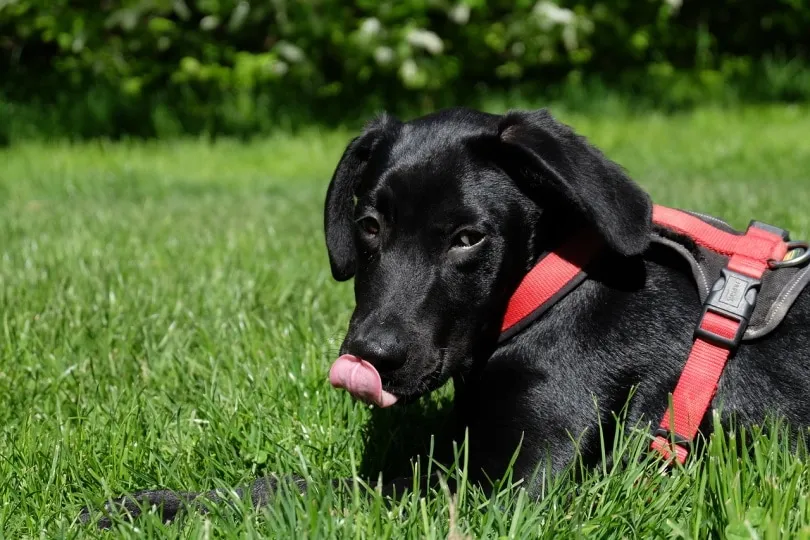
Allergy is one of the less common reasons why dogs lick their noses. Your dog may collect allergens since they lead with their noses. However, most allergies in dogs exhibit excessive scratching, licking, ear infections, and skin irritation, and can be caused by a myriad of possible allergens. Speak to your vet if you think your dog may be suffering from an allergy.
Wet nose and licking, on the other hand, may be caused by a respiratory irritant if your dog inadvertently sniffs something very unpleasant. They may start to sneeze, lick their nose, have a clear nasal discharge, or drool.
5. Neoplasia and Benign Growths
Dogs may have nasal tumors, causing them to lick their noses. A veterinarian should examine your dog and discuss treatment and management issues depending on the underlying cause of the problem.
6. Nose Injuries and Foreign Bodies
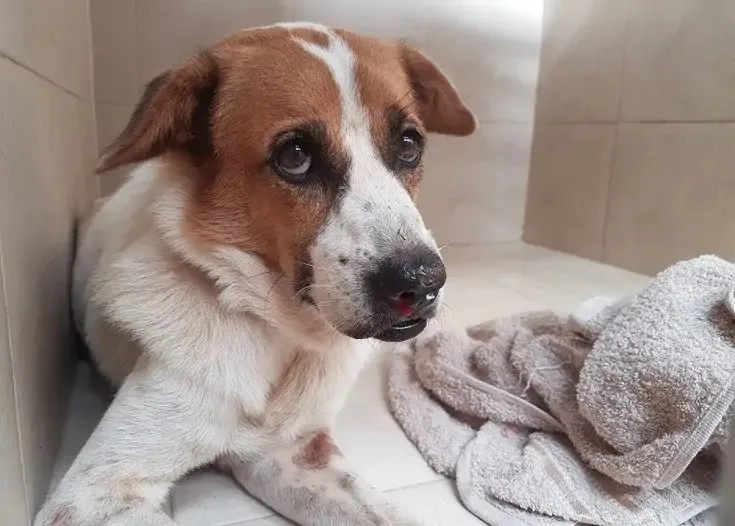
Your dog’s nose is very sensitive, and even a minor injury will hurt. Dogs can rapidly lick their noses if they have injuries like abrasion, cuts, damage, or punctures on their nose. You need to check the depth of the cut and the intensity of the injury to see if your dog requires urgent veterinary treatment.
Sometimes your dog can lick their nose and sneeze or have one-sided nasal discharge or bleeding from the nostril, if there is something lodged inside the nostrils. Don’t try to remove it. Take your dog to the veterinarian since they have the expertise and equipment to safely examine the nasal passages and remove a foreign body if one is present.
7. Dry Nose
Dogs love to keep their noses moist and clean. If a dog has a dry nose, they may lick its nose to ensure it is wet for effective functioning. Your dog may be trying to deal with dryness, which may cause cracking.
Again, your dog may lick their nose if there are some food leftovers or dirt on it to restore nasal equilibrium.
8. Dental Problems

Your dog may lick their nose more often if they have gingivitis, periodontal disease, oral masses, or other mouth problems. Oftentimes they will also lick their lips, drool, chew awkwardly, try and paw at their mouth, wince when they’re eating, have a bad breath, or bleed from the mouth. If your dog is showing any of these signs, they should be checked over by your vet promptly.
Ensure your dog’s mouth is clean by regularly brushing their teeth to prevent oral issues that can cause nose licking.
9. Nausea
The nausea feeling can make your dog drool and lick their nose. It may be a sign of stomach upset. If you suspect that your dog has eaten a toxic thing, visit or call the veterinarian immediately.
10. Dehydration
Causes of dehydration in dogs may include underlying medical issues such as kidney disease, gastroenteritis, diabetes, excessive heat, high body temperature in case of infections, and many more all of which lead to fluid loss from the body, leading to a delay in skin elasticity, and sticky gums. Your dog may lick their nose because it’s dry.
You can carry out a skin test to see if your dog is dehydrated. All you need to do is to pinch the skin of the pup gently at the back of their neck and lift it. Your dog is dehydrated if the skin collapses slowly or sags after releasing it. This test is often positive when the dog is already dehydrated, and there are other parameters to look for. Speak to your vet if you think your dog may be getting dehydrated.
Conclusion
Nose licking is a natural behavior for many dogs, and they feel nice when they lick their noses. But continuous licking is worrying since it can point to an underlying health problem.
Ensure you keep an eye on your dog and call or visit your veterinarian if your dog experiences excessive nose licking.
See also:
Sources
Featured Image Credit: In Green, Shutterstock
Expert dog care, straight to your inbox
News, insights, expert advice, and everything dog.

No spam — unsubscribe anytime.
By signing up, you agree to our Terms & Conditions and Privacy & Cookies Policy.
How useful was this post?
Click a star to rate. You can leave written feedback afterwards. (We read all feedback.)
Nicole has loved animals of all sizes her whole life so it's no wonder she has dedicated her career to helping them through what she loves best: learning, writing, and sharing knowledge with others. She’s the proud mom of two dogs, a cat, and a human. With a degree in Education and 15+ years of writing experience, Nicole wants to help pet parents and pets around the planet to live happy, safe, and healthy lives.